How Structural Movement Can Affect Your Roof
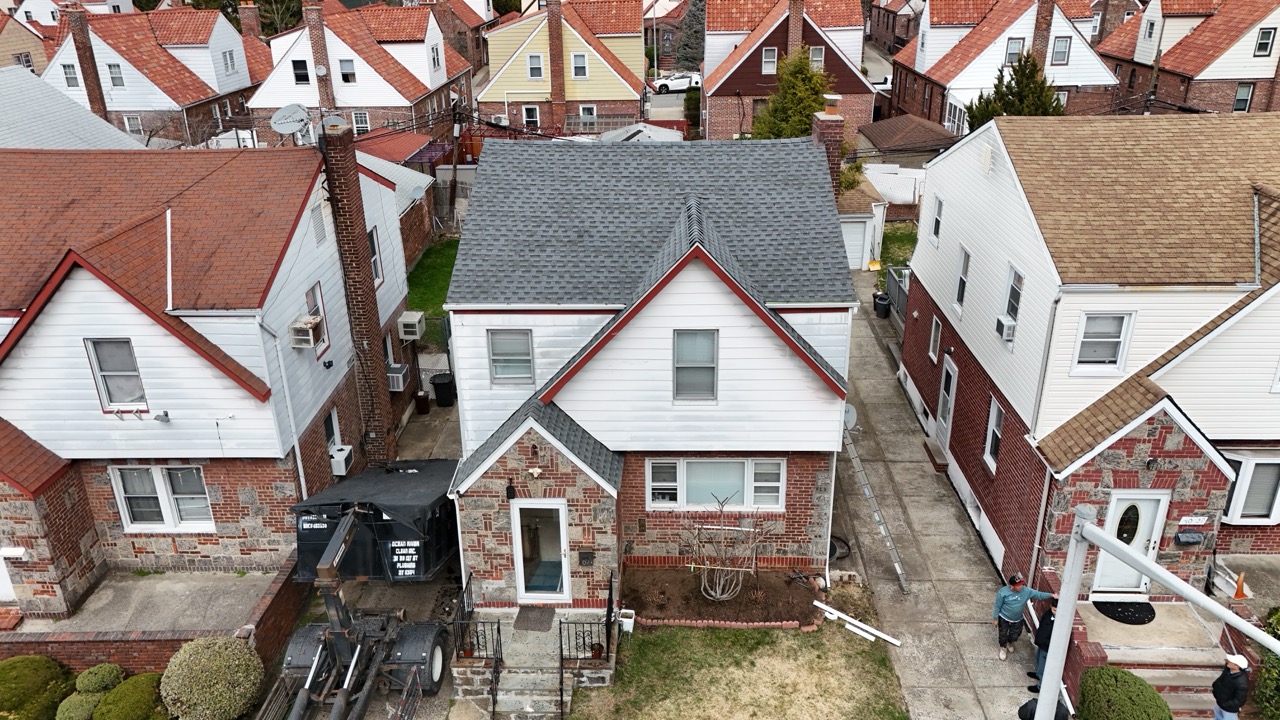
Homes across Brooklyn and Queens sit on foundations that shift gradually over time, and these subtle movements can influence the entire structure above them. Many homeowners notice a small crack in the wall, a door that sticks, or a spot where the floor feels uneven without realizing those symptoms may also signal stress reaching the roofline.
When a foundation settles or moves out of alignment, the framing absorbs that pressure and carries it upward. This creates conditions that weaken roofing materials, disrupt drainage patterns, and strain areas that should remain stable. Understanding how structural movement works helps you recognize early signals before they turn into larger problems.
How Foundation Movement Begins and Why Roofs Feel the Effects
Every home settles as the soil beneath it adjusts to weight, moisture, and seasonal change. In older New York neighborhoods with mixed soil conditions and long-term development layers, this process can surprise even experienced homeowners. Foundation movement often originates from:
- Shifts in soil moisture
- Expansion during wet seasons
- Contraction during extended dry periods
- Aging support materials
- Previous renovations that redistributed weight
Even slow movement shapes the way roof framing handles tension. As framing shifts, roofing materials begin to show signs of stress.
How Structural Stress Moves Up Through the Home
Movement at the foundation rarely stays isolated. As the structure shifts, that motion travels upward through beams, walls, ceilings, and roof trusses, quietly changing how the entire home carries weight. These changes often develop gradually, which makes them easy to overlook at first. You may begin to notice subtle signs such as:
- Doors that do not sit square
- Cracks near ceiling joints
- Uneven spots across upper floors
- Water draining in unexpected directions along roof surfaces
Together, these early indicators show how the home is slowly adapting to the shift beneath it, often long before larger structural problems become obvious.
Common Roof Changes Caused by Foundation Shifts
Structural movement creates roof changes that often appear gradually and spread without immediate warning. What begins as minor shifting below can move upward through the framing, subtly altering how the roof carries weight and sheds water. Because these changes develop over time, homeowners may not recognize the connection at first. Common signs include:
Misaligned or uneven roof surfaces
When framing shifts, the roof deck no longer remains level. This creates shallow areas where water lingers instead of draining properly. Over time, trapped moisture accelerates surface wear and increases the risk of leaks forming beneath the shingles or membrane.
Stress cracks in roof materials
As the structure flexes, roofing materials are pushed beyond their intended movement limits. Cracks can develop along seams, near flashing points, or across flat roof membranes. These fractures may start small, but they often widen as movement continues.
Gaps around penetrations
Structural changes can pull materials away from fixed elements such as vents, chimneys, and skylights. Even narrow gaps allow wind driven rain to work its way underneath the roof system. Once moisture enters, it can spread into insulation, attic framing, and interior ceiling areas.
Sagging or visible dips
A sagging surface typically points to past or ongoing movement that has altered how weight is distributed across the roof structure. These dips place additional strain on surrounding materials and often signal deeper framing adjustments happening inside the home.
Why Early Roof Assessments Protect Your Home’s Structure
Structural movement progresses slowly, and once a shifting pattern begins, the home continues adjusting in quiet, incremental ways. These subtle changes often go unnoticed until secondary damage starts to appear. Early assessments help pinpoint the source of strain before it spreads, allowing homeowners to address vulnerabilities that could otherwise lead to water penetration, framing damage, insulation issues, or accelerated material wear across the roof system.
When movement related issues are identified and corrected early, roofing materials maintain their integrity longer and perform more reliably through New York’s shifting seasons, heavy rain, freeze thaw cycles, and high wind events.
What Homeowners Should Do When They Notice Signs of Movement
If you see new cracks indoors, uneven settling, or unexpected changes in roof appearance, a professional evaluation gives you a clearer understanding of what is happening within the structure. These shifts often feel subtle at first, but they usually connect back to how the home is responding to stress below and above the surface. Early action helps remove guesswork and prevents small issues from spreading across connected areas of the home, where repairs become more disruptive and costly.
Some movement related concerns have simple early fixes, such as resealing small cracks, adjusting doors that no longer sit square, reinforcing flashing around roof penetrations, or correcting minor drainage issues that allow water to linger. Addressing these items early often stabilizes surrounding materials and slows further wear. A roofing expert can determine whether the movement is minor and seasonal, driven by moisture and temperature changes, or part of a larger structural pattern that requires deeper correction. Catching the difference early protects both the roof system and the structure beneath it.
Preparing Your Roof for Long-Term Stability
Structural movement is a common reality for homes across Brooklyn and Queens, yet its influence on the roof often stays hidden until visible damage begins to surface. With timely inspections supported by drone documentation and certified roofing expertise, subtle changes can be documented early and roof stability preserved before problems spread. If you would like a clearer picture of what a full evaluation from Big Apple Renovators includes, explore our service page to see how our inspection process works from start to finish.